Quick Navigation
Main Navigation
About Us
Education & Events
Ways to Give & Membership
Preservation
Shop
Varieties
In 2004 , Helen & H. Lee Thomas of West Virginia donate ‘ Wick ’s Lima ’ to Seed Savers Exchange . They have grown this lima edible bean since the 1960s after receiving it from H. Lee ’s grandfather , Wick B. Smith of Sandyville , West Virginia . Wick farm , taught in a one - room schoolhouse , and had grown this diversity of lima since at least the thirties . He live to the years of 95 and was an avid gardener , keeping a heavy garden even after his wife passed away and sharing the extra green goods with others .
Helen grow the plants on 6 - foot - tall teepee - expressive style pole , and the plants usually grow a little taller than the poles . Helen says to pick the cod as before long as they feel full for fresh eating . To manipulate , Helen add a trivial butter and encompass the limas with water . She say the succus is as good as the bean itself . Helen does not recommend eat the fledged juiceless Lima , using them only for seed , but in taste tryout at Heritage Farm , the SSE staff thought it was a good - tasting dry bonce lima .

Wick’s Lima Bean
Helen has never selected for a specific come pelage colour . The seeds may be tan with over-embellished speckles , tan with maroon speckles , or nigh all purplish .
Put it on the dinner table!
This change works for
As your lima noggin are mature , shell them and toss the fresh seeded player into a traditional succotash .
If you grow your limas as juiceless bonce , adjudicate adding them to mixed bean bakes or soup as the flavor of the bean will hold up well .

Wick’s Lima Bean
Grow it!
This harvest can be direct seed into warm soil after the last spring rime . If you seed a incision or run-in every two or three weeks , you may get a uninterrupted craw . Space your seeds 2 - 4 inches apart in well inseminate soil . Plant your seeds around 1 inch deep . As this plant grows it may ask support in the material body of a treillage to keep the vines off the ground . You wo n’t need to fertilize this crop for get a healthy output .
These plants opt warm weather condition and grime so they should be grown when temperature are over 68 degrees F. You should avoid water them from above as damp leave may be susceptible to disease .
The CORE Project
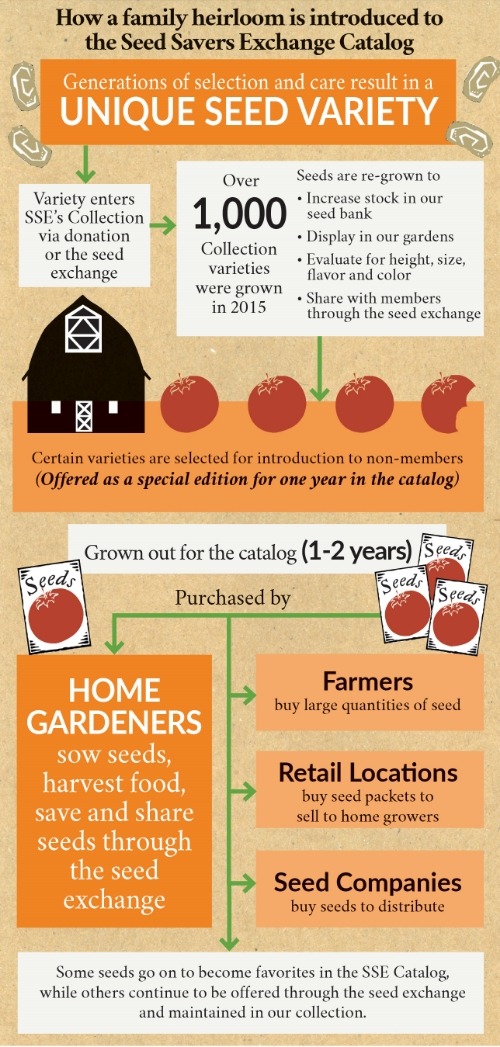
This undertaking represents the efforts of our Preservation program to document our Collection through the Evaluation and the Collection Origins Research Effort ( CORE ) .
The CORE labor lead off in 2011 . It is an effort to record the Collection ’s cultural history by gathering , documenting , and partake in stewardship chronicle . Our comprehensive Evaluation program began in 2010 . Evaluation staff text file Collection growouts , including morphological trait , photographs , taste sensation rating , and purity assessment . These programs converge to give us a rich portraiture of individual varieties in our Collection .
When we identify varieties with both a compelling narration and outstanding performance traits , they are ‘ short listed ’ for consideration in the ‘ Heritage Farm Collection . ’ Most ‘ Heritage Farm Collection ’ introductions are either family heirlooms or historic commercial variety show that fade from Commerce Department .

Wick B. Smith
in the beginning publish December 21 , 2015 . Edited February 5 , 2025 .
When you make a purchase from Seed Savers Exchange , you aid fulfill our nonprofit commission to protect our food and garden heritage . Do even more good by make a donation to help us uphold and partake in even more heirloom variety !
3094 North Winn RoadDecorah , Iowa 52101(563 ) 382 - 5990
Copyright © 2025 Seed Savers Exchange . image on this site are protected by copyright — unauthorized purpose is not permitted .
Seed Savers Exchange is a tax - nontaxable 501(c)3 nonprofit governance dedicated to the preservation of heirloom seeds .
