Ask a handful of nurseryman if it is fine to compost tomatoes and you are bound to get conflicting answers .
A interrogative sentence of great controversy , everybody seems to have a different judgment on whether or not this is an satisfactory practice .
The trueness is that the result can go either way , count on a few factors .

Composting tomatoes is indeed bad , but it can be done so long as a few canonic criterion are met .
We link to vendors to facilitate you regain relevant products . If you grease one’s palms from one of our links , we may take in a commission .
This clause will give out down the fear that often arise , and share step you could take to mitigate potential job .

What You’ll Learn
What Are the Risks?
It is dependable that composting tomato plant plants can be problematic . If it is not done correctly , it can lead to all sort of headaches the next time of year , which is why many prefer to pan their plants and avert the pattern altogether .
There are several risks consort with compost these plants in particular : possible disease spread , the growth of unwanted volunteer plants , and inadequate partitioning of flora fabric . get ’s take a look at each of these , followed by tips for managing your compost mountain effectively .
Disease Spread
spread disease is the most serious concern consociate with composting these plants .
If industrial plant matter hold pathogens that do n’t die in the composting cognitive operation , those diseases can come back to wreak havoc on next season ’s harvest .
Many bacterial and fungal organism can survive on plant life tissue in the middle of an improperly managed compost pile . Late blightandearly blight , for instance , can winter on vines that have n’t break down completely .

so as to safely compost potentially diseased works , it is all-important for the pile to be hot . This have in mind ordered temperatures between 131 and 170 ° F .
right composting techniques are important , to ensure that flora cloth break down the right way and pathogen are destroy .
Even if done aright , some disease such as fusarium wilt , verticillium wilting , and bacterial canker sore can endure the compost process . In general , if you suspect your plants of harboring disease , it will likely save you some trouble to keep those plant life out of the pile entirely .
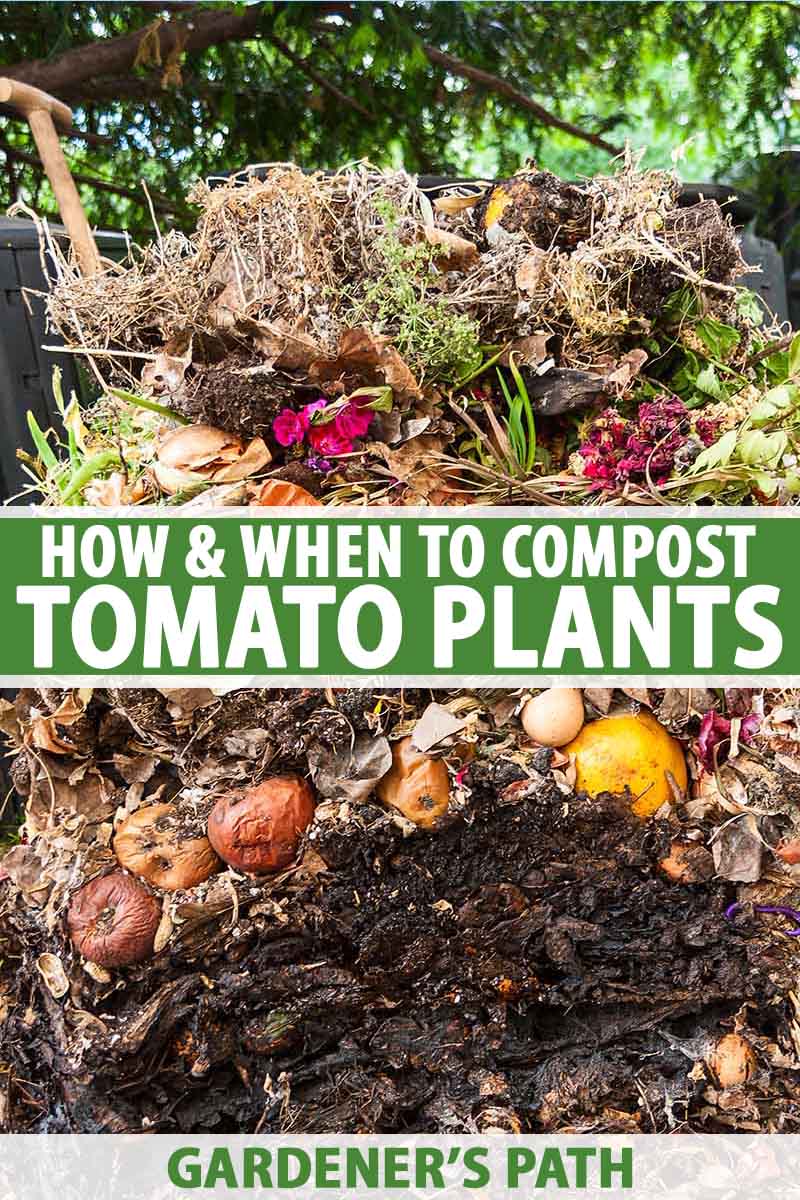
Personally , I detest the melodic theme of trashing plant .
alternatively , I have created a 2nd heap , far off from my garden , where I discombobulate suspect tomato plants along with sess , grass , and any other viney works fabric that does n’t break down well , or material that may be fill up with undesirable seeds .
If you have the space , I highly recommend create a second pile with this designation . Just ensure to keep it out of the fashion and avoid using the end up compost in your vegetable beds .

understand more about composting pathologic plants here .
Volunteers in the Garden
If fruits are composted along with the vine , it is possible that some seeds may outlast the winter , resulting in seedlings that pop up in random situation around the garden next give .
I always slay the fruit from the vine and toss them in the garbage rather of on my compost pile . so as to kill the semen , the compost pile want to maintain a temperature of over 140 ° degree Fahrenheit for two week or more .
Depending upon your perspective , this may be a good thing … additional tomato that you did n’t have to play for !

But do n’t get too excited .
While it is possible to glean a healthy yield from volunteer tomatoes , it is also potential they wo n’t make yield at all if you have grownhybrid varieties . They may also have the potential difference to harbor pathogens that can spread to the rest of your crop .
While it is generally recommended to remove voluntary tomatoes , my curiosity sometimes catch the better of me and I grant a few to grow .

While one or two may not be a problem , I would recommend take volunteers in any areas tomatoes maturate last time of year , as well as from wherever you are planning to uprise them this season .
If you see them appearing on your compost bundle , just turn it over and drudge them in .
check tomato from ejaculate in this guidebook .

Inadequate Breakdown via Large, Messy Vines
Tomato vines are large and may not reveal down well if bewilder willy - nilly into the compost . In improver to having the potential to harbor disease , viney compost is just plain teasing .
In orderliness to stave off a large viney mess , always break up the plant textile into smaller pieces before throwing them in .
Managing the Pile
With so many worries to count regarding bother down the road , is it ever deserving it to compost love apple ?
The solvent is yes , just so long as you have a by rights get by hot compost pile that observe an interior temperature between 131 and 170 ° F .
Oxygen , moisture , and a balanced mix of materials are key .

sound air circulation is crucial , as oxygen is needed to support the good microorganism that are work to break down the material .
TheNational Organic Programrecommends turn the pile a minimum of five times every 15 day to maintain adequate airflow .
Those micro-organism also need water to last . Keep the mound moist , but not sopping wet .

It is also important to keep an eye on what materials you are append , and sample to asseverate a proportion of “ green ” atomic number 7 - rich textile to “ dark-brown ” carbon - heavy cloth .
Generally , you want to uphold a ratio of three to four part “ Robert Brown ” to one part “ leafy vegetable . ”
When you add solid food scrap , green plant life material , or grass clipping to the heap , be sure to mix in some dead plant matter , leaves , or drinking straw , too , and vice versa .

Depending on your method acting and direction practices , it could take anywhere from three months to a year to full let on down the material into available compost .
For more information on thebasics to compost , learn out this pathfinder .
Have No Fear
you’re able to decide for yourself whether it is worth composting those tomato plant . If you choose to go for it , just think to bide by the travel along rules :
Just like other plants , tomatoes can certainly be break down into nourishing - rich compost . It just take a little extra cerebration and handle to do it the right way .
If you ’re in the mood formore compost ideas , be sure to chequer out our guides .

And for more information ongrowing tomatoes in your garden , you ’ll take the following guides next :
© Ask the Experts , LLC . ALL RIGHTS RESERVED.See our TOSfor more detail . Uncredited photos : Shutterstock .
About

Heather Buckner
