This post may control affiliate links .
Share this post or trap it for later !
With its soft gray - immature leaf and odorous , crude flavour , garden sage ( Salvia officinalis ) is a staple in many herbaceous plant gardens . But did you know that set the right fellow traveler next to your sage can help it thrive ? Choosing plants that raise flavor , deter pests , or help in ontogenesis is key to get the most out of your sage plant .

Image Credit: Deposit Photos
fellow traveller planting is an organic , chemical - devoid way to create an ecosystem in your garden where dissimilar plants indorse each other ’s health and productiveness .
Choosing the proper plants to grow beside salvia can make all the deviation . Here are the good companion plant life for salvia .
What is Companion Planting?
Companion planting is a method acting that involves strategically planting combinations of vegetables , herbs , bloom , grains , and legume to reach full look , respectable plants , and large harvest .
Companion planting focalize on thoughtful industrial plant coupling and craw rotary motion to promote diversity . This approaching allows dissimilar plant species to support and aliment each other , produce a garden ecosystem that benefits both plants and nurseryman .
The advantage of companion planting stem from its ability to wield pests , enrich soil nutrients , allow for shade , and attract pollinators .

reason which plants complement each other can significantly enhance the health and productiveness of vegetable garden for home gardeners , homesteaders , and small - scale farmer . Implementing simple changes in planting organization helps promote good plant interactions . These natural partnership can reduce pests , optimize space , improve taste , and increase crop issue without relying on pesticides or synthetic fertilizer .
Strawberries
salvia is beneficial for strawberries as it pull bees and other pollinator , which can facilitate increase the hemangioma simplex yield . Sage also deters plebeian strawberry pestilence such as slugs , snails , and fungi , kick upstairs healthier growth .
Strawberries are low - develop and efficiently utilize the space at the base of sage , avoid contender for nutrient . Additionally , strawberry runner help keep soil moisture around the sage , creating a mutually beneficial growing environment .
link : How to Grow strawberry

Brussels Sprouts
Brussels sprouts benefit from salvia ’s pest - repelling properties , peculiarly against moth that target them . salvia ’s proximity also enhances the relish of Brussels sprouts , adding economic value to your garden . This pairing is idealistic for maximise distance and resourcefulness in your garden , promote hefty growth for both plants .
Broccoli
Broccoli , like Brussels sprout , finds an excellent companion in sage , which repels common pests and enhances the veggie ’s sapidity . This fellow planting give up both plants to grow without interference from pests , increase their proceeds and character . The shared environmental preferences of broccoli and sage make them compatible garden mates .
Beans
dome are nitrogen - secure plants that enrich the grease , which is advantageous for sage , a nutrient - demanding herbaceous plant . Bean vine can employ the sturdier salvia plant as natural treillage , patronize their emergence without hindering sage .
Sage , in return , serve protect bean plants from aphids and Japanese beetles through itsnatural repellentproperties . The flowers of noggin plant also attract beneficial pollinator that aid in cross-pollinate nearby sage plant .
Related : How to Build a Bean Teepee

Tomatoes
Sage is a raw repellent to flea beetle and draw in good insects thatsupport tomato planthealth . If you are dealing with wanderer soupcon on tomatoes , plant sage alongside cilantro ordillcan help keep them at true laurel .
Rosemary
Rosemary and sage are first-class companions as they expand under similar condition . Both prefer loose , alkaline soil and full sun picture . The similar lachrymation and soil orientation make them promiscuous to care for simultaneously .
In addition , plant them together enhances their redolent qualities , as they can rush each other ’s yield of crucial rock oil . Rosemary ’s rich nip and aroma aid drive pests that might otherwise aim sage .
How to Make Rosemary Water for haircloth

Cabbage
Cabbage thrive in well - run out , nourishing - rich soil and benefits from being engraft near sage , which can dissuade pests . The robust growth of cabbage in the presence of sage manifest the effectiveness of fellow traveler plant for pest management and alimentary optimisation . Cabbage also benefits from the pollinators attracted to sage , raise its growth and health .
Oregano
Origanum vulgare and sage enjoy like develop shape , which make them good garden companion . The proximity of marjoram can lead to more vigorous development and enhance look in salvia .
Oregano ’s hard scent also masquerade party sage from pests . Both herbs profit from well - draining soil and restrained pH levels , simplifying garden maintenance .
Carrots
Sage is know to improve the flavor ofcarrotswhile repelling common pests such as deer andcarrotrust flies . Planting salvia nearcarrotsor using it as a border plant helps produce a protective barrier against these pest .
Thyme
Thyme and sage make excellent companions , peculiarly in hot , ironic conditions where they flourish . The essential oil in thyme can heighten the sapidity of sage , while thyme ’s spreading antecedent help activate and improve the grunge structure of sage . As a ground cover , thyme facilitate hold back stain moisture and prevents weed growth around sage plants .
Nasturtium
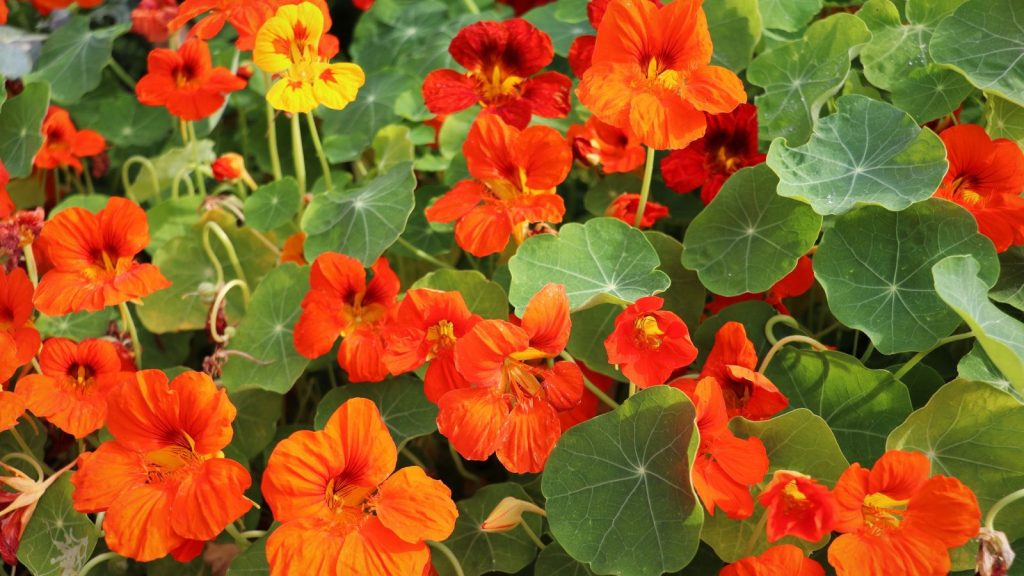
With their promising prime , Nasturtiumsadd visual appeal and repel plague such as whiteflies , which can affect sage . The flowers ofnasturtiumsattract pollinators that benefit the sage plants as well .
Plantingnasturtiumsaround sage can create a vivacious and plague - resistant garden area . Additionally , nasturtiumsare easygoing to spring up and manage alongside sage , relieve oneself them an ideal companion in any herb orvegetable garden .
Parsley
Parsley and sage coexist well without competing for resources , and when planted together , both profit from in high spirits pollination rates . Petroselinum crispum ’s power to attract beneficial louse helps enhance sage plants ’ overall wellness and yield . This companion planting is particularly utilitarian in small gardens where space efficiency is important .
Radishes
Radishesgrow quickly and can be planted thickly around sage for effective pest aegis . Their spicy aroma helps mask the perfume of sage , deterring garden pestsfrom settling . Radishesare glean earlier in the season , which permit for effective crop revolution with later - maturing salvia .
Lavender
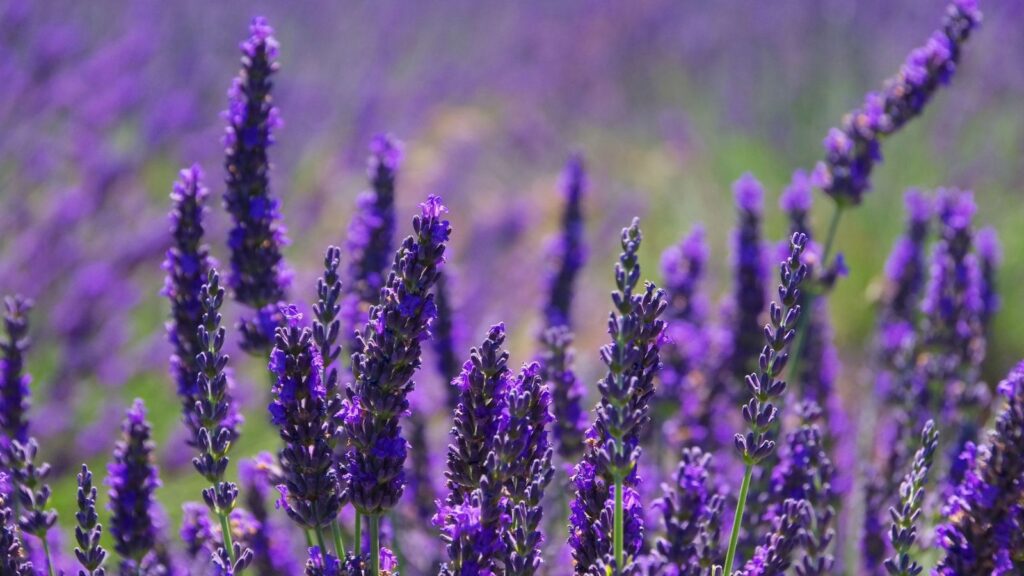
Lavender ’s sweet aroma attract pollinators like butterflies and bee , which profit sage and heighten the garden ’s esthetics . Lavender‘sdrought tolerancecomplements sage ’s similar urine needs , make them broken - maintenance companions .
Lavender ’s power to reflect sun assist exert optimal soil temperature for sage growth . Moreover , the essential oils fromlavendercan strengthen the flavor of nearby herbaceous plant , including sage .
Kale
salvia helps protect borecole by repelling common pest like cabbage moths and fly . The larger kale plants cater shade , creating a cooler root surroundings for salvia during the peak of summer .
Both plant life prefer well - draining filth ; plant them together ensures that their water and nutrient pauperization are adjoin without competition . Kale can also be a trap craw , drawing cuss away from sage and nearby industrial plant .
Lettuce
Lettuce benefits from the shade provide by mature sage plants , which assist protect it from the summertime heating plant and prevents bolting . Sage ’s power to repel common plague like aphids , slugs , and snail protects younglettuceplants , progress to them thrive .
The light requisite oflettucemake it an idealistic underplanting for sage , utilizing garden space efficiently . to boot , the atomic number 7 - rich territory left by harvestedlettucebenefits sage , enriching its growth .
Arugula
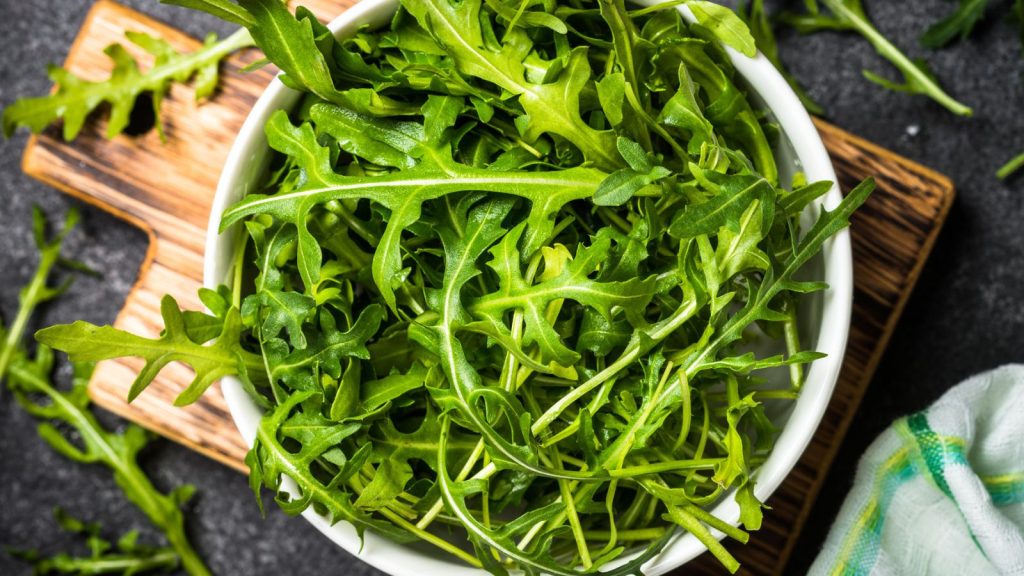
Arugula , another brassica , works well with sage to deter cabbage moths . Sage ’s shade protectsarugula‘s shallow roots , go on the soil cool and moist . Sage ’s antimicrobic properties enhance the flavor ofarugula , make it more robust . Arugulaalso act as green manure , enriching the land around sage when it decompose .
Plants to Avoid Planting with Sage
When contrive your garden , it ’s all important to consider what not to plant alongside salvia and what realize practiced companion plant . Some plant pairings can inhibit sage ’s growth , negatively touch on other plants , or even exasperate their flavor profile . Here are some industrial plant to stave off pair off with salvia :
Celery
cultivated celery and salvia choose nerveless , moist grime and contend aggressively for water supply if planted close together . Sage ’s extensive root system of rules can dominate the water supply . to boot , cultivated celery may overshadow the touchy flavor of salvia in culinary uses . It ’s secure to plant these separately for optimal growth .
Ginger
Ginger and sage should not be implant in the same country . Ginger ’s oils can ooze into the grease , affecting the product of essential oil in salvia leave . Moreover , ginger ’s need for a moist , tropic surroundings clashes with salvia ’s requirement for well - drained soil , make them inappropriate .
Onions
Planting onions and sage together can reduce production for both . Onion roots free a sulfur compound that inhibits growth and can impart an undesirable onion plant - like flavor to sage leaves , which is generally unwelcome in cooking . Keep onions and sage asunder for better productivity .
Cucumbers
Cucumbers ’ and sage ’s vastly dissimilar increment want make them wretched garden comrade . Cucumbervines can easy overwhelm salvia , and their predilection for abundant moisture does n’t suit the drier conditions sage thrives in . Avoid this pairing to keep one works from hindering the other .
Rue
Despite their similar foliation , avoid planting sage near rue . Rue prefers shade and emits oils that can stifle the maturation of nearby plants , including salvia . Rue tends to dominate its blank , substantially dilute sage ’s productiveness . Keep a good distance between them .
Basil
St. Basil the Great and salvia should not partake in the same garden space . Basil ’s rapid growth enables it to monopolise sunshine , dirt nutrient , and pee , all essential for salvia . Basil ’s wide root organization can also qualify the growth of sage roots . It ’s good not to constitute these herbs together .